

Every year someone says the same thing: “Blogging is dead.” And honestly? In 2025, with TikTok stars popping up overnight, YouTube creators building massive followings, and AI tools cranking out articles in seconds, it’s easy to believe it.
I used to believe it too. When I first thought about starting a blog, I kept asking myself: does blogging still make money in 2025, or is this just outdated advice that worked back in 2010 but not today? I didn’t want to waste my time writing if nobody was going to read.
At that point, I had already tested other ways of making money online. I tried ecommerce. I ran Facebook ads, made a few sales, and thought I was on my way. But every day I was spending more money just to keep traffic flowing. It felt like I was running on a treadmill: the second I stopped paying, the money stopped too.
That’s why blogging caught my attention. Unlike ads, blogging traffic doesn’t disappear overnight. A single post can show up on Google months later, bringing in readers — and potential income — on autopilot. That was something no ad campaign could do for me.
Here’s the truth I discovered: blogging still makes money in 2025. Not in the fast, flashy way most people expect, but in a slower, compounding way. If you stick with it, blogging can turn into a business that works for you long after you hit publish.
How Does Blogging Still Make Money in 2025?
When beginners ask me, “does blogging still make money in 2025?” the real question is how blogs actually earn. The good news? Blogs still make money in multiple ways, and you don’t need millions of visitors to get started.
Here are the main income streams:
1. Affiliate Marketing
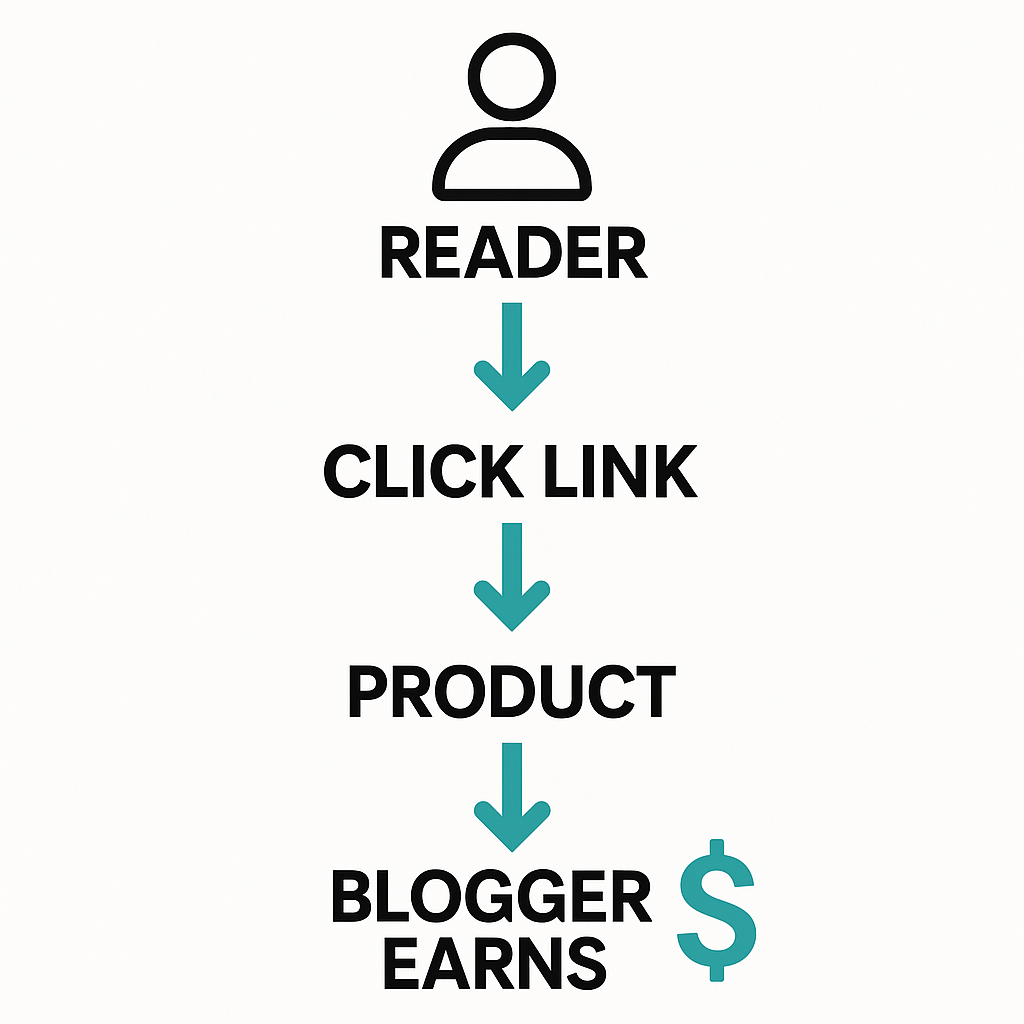
Affiliate marketing is still the most common way for new bloggers to start earning. You recommend a product or service, include a special link, and if someone buys, you get a commission.
Examples of programs that work in 2025:
- Hosting providers → Bluehost and Hostinger often pay $65–$100 per signup.
- SaaS tools → Canva Pro, Jasper AI, or other business tools pay recurring monthly commissions.
- Niche products → A fitness blog might promote resistance bands, while a finance blog promotes budgeting apps.
Why it works: You don’t need massive traffic. If 300 people read your “how to start a blog” post and 3 sign up for hosting, that’s a few hundred dollars in commissions. One reason people ask does blogging still make money in 2025 is that affiliate marketing looks too good to be true. The truth? It’s still one of the most reliable ways beginners earn.
2. Display Ads
Some beginners ask, does blogging still make money in 2025 with ads alone? The truth is yes, but ads work best when your blog already has steady traffic.
- Google AdSense → low payouts but beginner-friendly.
- Mediavine / Raptive → higher-paying ad networks that require 50k+ monthly sessions.
The best thing about ads? They’re passive income. You get paid whether someone buys or not, as long as they’re reading your content.
3. Digital Products
This is where blogging really shines. Instead of promoting someone else’s product, you sell your own:
- eBooks → “Beginner’s Guide to Blogging in 2025” for $9–$19.
- Templates → Budget spreadsheets, content calendars, or workout plans.
- Courses → Teach blogging, fitness, finance, or whatever you’re good at.
Products give you control and higher profit margins since you’re not splitting commissions.
4. Sponsored Content
Another way people wonder does blogging still make money in 2025 is through sponsored content — and yes, it does. Brands still pay bloggers to feature their products because blogs build trust in a way ads can’t.
Here’s how it works: a company pays you to write a post, review a product, or include their link. Depending on your niche, rates can range from $50 for a small mention to thousands of dollars for a full campaign.
Examples in 2025:
- Parenting blogs get sponsored by baby gear brands.
- Finance bloggers write about fintech apps or budgeting tools.
- Fitness bloggers land deals with supplement or workout companies.
- Tech/Blogging bloggers (like us) review SaaS tools, hosting, or plugins.
The beauty of sponsorships is that you don’t always need massive traffic. Brands often care more about the audience fitthan your page views. If you have 2,000 readers in a very specific niche, you may be more valuable than a general blog with 20,000 random visitors.
And the data backs this up. According to HubSpot’s Blogging Statistics, over 80% of marketers who blog report positive ROI, and brands are increasing budgets for influencer and blogger partnerships in 2025.
That means sponsored posts aren’t going away — they’re growing.
Why People Say Blogging Is Dead?

If blogging works, why do so many people keep saying it’s dead? The truth is, blogging has never really died — but beginners often get discouraged for a few reasons. Let’s break them down.
1. Social Media Overshadows Blogging
TikTok, YouTube, and Instagram are everywhere in 2025. People see creators blowing up with millions of views overnight and assume blogging is outdated. And honestly, social media looks more exciting because of the speed.
But here’s what most don’t realize: when you need a real answer, you don’t scroll TikTok. You go to Google. Questions like “best plugins for WordPress” or “how to meal prep for the week” are still answered by blogs. That’s proof that blogs are still making money in 2025 because search traffic hasn’t disappeared.
2. SEO Takes Patience
Unlike social media, blogging doesn’t give you overnight fame. SEO takes months. Sometimes it can take 6–12 months before Google even starts to show your content.
I felt this personally. I launched my first blog, wrote two posts, checked Google Analytics the next morning… and saw zero visitors. That moment right there is when most beginners quit. They think, “blogging is dead.”
But here’s the reality: zero traffic at the start is normal. Many beginners quit early and wonder, does blogging still make money in 2025? The answer is yes, but only if you give SEO time to do its job. Every successful blog started there. The difference is that some people push through, and others give up.
Google even makes this clear in their Helpful Content Guidelines. It’s not enough to just publish — your content has to be useful, original, and written for humans, not just search engines.
3. Competition Feels Overwhelming
Yes, there are millions of blogs online. But here’s the catch — most don’t last. Many people publish a handful of posts and then quit after three months. That means the blogs that survive are the ones that commit and keep publishing consistently.
The real key is focusing on long-tail keywords. Instead of trying to rank for “blogging,” you target something specific like does blogging still make money in 2025 or best budget apps for students. These terms are less competitive and bring in readers who are ready to learn or buy.
The Hard Truth Beginners Don’t Hear
When people ask me, does blogging still make money in 2025, they’re usually hoping for a shortcut. They want to hit publish, watch the traffic pour in, and start earning overnight. I hate to break it to you — it doesn’t work like that.
Here’s the hard truth most beginners don’t hear:
- Blogging is slow at the start. You’ll write posts that barely get traffic for months.
- You might feel like nobody’s listening, even when you’re putting in real effort.
- Most blogs don’t fail because blogging is dead — they fail because the blogger quits too early.
I know because I’ve been there. Before blogging, I tried ecommerce. I built a store, ran ads, and actually made some sales. But the problem was simple: every dollar I made depended on spending money first. If I stopped running ads, my traffic and sales disappeared instantly. It felt like I was on a treadmill I couldn’t get off.
Blogging was different. A post might take months to rank, but once it did, traffic started coming in without me spending money. Instead of traffic dying the moment I stopped paying, it kept building. That’s when I realized why blogging still makes money in 2025 — because it’s not just income, it’s an asset.
The beginners who succeed are the ones who push past that slow start. Around the 6–12 month mark, momentum kicks in. One post ranks, then another, and suddenly your blog is working for you instead of you working for it.
That’s the part nobody tells you: blogging pays off, but only if you stick with it. That’s why the question does blogging still make money in 2025 has a clear answer: yes, but only for those who stick it out long enough to see results.
Is Blogging Still Profitable in 2025?
The answer is yes — if you treat it like a business.
- Affiliate programs are everywhere.
- Ad networks pay more with higher traffic.
- Digital products give you control and profit.
Think about it: every time you Google “best budgeting apps 2025” or “how to meal prep on a budget,” the top results are blogs. And when you click their affiliate links? They’re earning.
Case Study: Evergreen Niches That Still Work
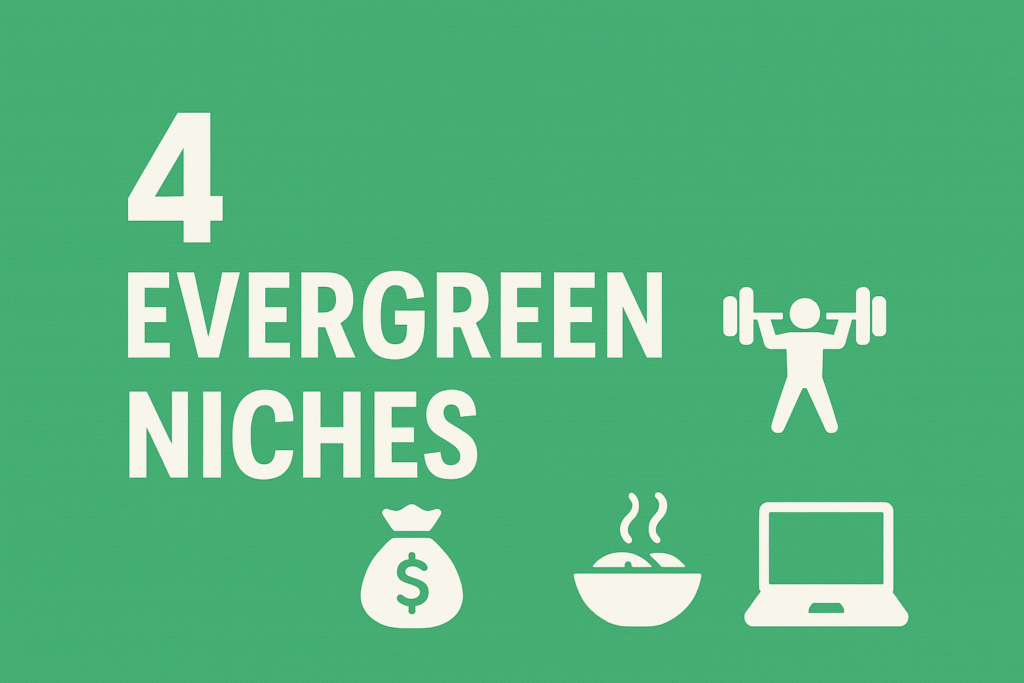
If you’re asking yourself does blogging still make money in 2025, the answer depends on the niche you choose. Evergreen topics like finance, fitness, and food always have demand.
Here are four niches that continue to make money year after year:
1. Finance
People will never stop wanting to save money, make money, or get rid of debt.
- Sub-niches: Budgeting for students, side hustles, investing basics.
- Monetization: Affiliate programs for credit cards, apps like Acorns, or budgeting tools; ads (finance RPMs are some of the highest); digital products like budget spreadsheets.
That’s one reason people searching does blogging still make money in 2025 often turn to the finance niche — it’s always relevant and full of monetization opportunities.
2. Health & Fitness
Health is timeless. Everyone wants to feel better, lose weight, or get stronger.
- Sub-niches: Home workouts without equipment, meal prep, weight loss journeys.
- Monetization: Fitness gear through affiliate links, sponsored posts with supplement brands, and digital products like workout programs or meal plans.
3. Food
Food blogs always perform well, especially on platforms like Pinterest.
- Sub-niches: Easy recipes for beginners, budget-friendly meals, vegan or keto cooking.
- Monetization: Ads (food blogs get huge traffic), cookbooks, and affiliate links for kitchen tools.
4. Blogging & Tech
This is the space I’m in — teaching people how to blog, use tools, and grow online.
- Sub-niches: Blogging tips, SEO basics, affiliate marketing, reviews of hosting and plugins.
- Monetization: Affiliate programs (Bluehost, Canva, Rank Math), coaching, sponsored posts, or courses.
The bottom line: if you’re still wondering does blogging still make money in 2025, the answer is yes — especially in niches with evergreen demand and clear monetization paths.
These niches have two big things in common:
- People keep searching for them every year.
- They have products, services, or ads attached to them that pay well.
Pick one of these, stick with it, and you’ll avoid the mistake of writing about topics nobody cares about.
Common Mistakes That Kill Blogs
If you’re still wondering does blogging still make money in 2025, the answer is yes — but only if you avoid the mistakes that kill most blogs before they even get off the ground.
Here are the biggest ones I see beginners make:
1. Copying Instead of Creating
It’s tempting to look at a successful blog and try to duplicate it word for word. The problem? Google can spot duplicate content instantly. If you’re just rephrasing someone else’s work without adding your own angle, your posts won’t rank. Instead, use other blogs for inspiration, then put your own story, examples, and experience into the content.
2. Picking a Niche That’s Too Broad
“Lifestyle blog” sounds appealing, but it’s so vague that you’ll struggle to build an audience. Readers don’t search for “lifestyle,” they search for specifics like “morning routines for students” or “budget-friendly travel tips.” If you want to grow, narrow down to a niche where you can consistently provide focused value.
3. Quitting Too Early
This is the biggest killer. Blogging takes time — months before SEO starts working in your favor. Most beginners quit after publishing 5–10 posts because they don’t see traffic. But the blogs that last a year or more? Those are the ones that start earning.
4. Ignoring Technical Basics
Site speed, mobile-friendliness, and SEO settings matter. If your site is slow or confusing, people click away, and Google notices. A lightweight theme, caching plugin, and optimized images can make a big difference.
Avoid these mistakes, and you’ll be far ahead of most beginners. More importantly, you’ll put yourself in a position where blogging doesn’t just survive for you — it thrives. That’s one of the biggest reasons blogging still makes money in 2025 for people who stay consistent.
Future of Blogging: AI + Short-Form Video

A big question people ask today is not just does blogging still make money in 2025, but whether it will survive as AI and short-form video take over. The short answer? Blogging isn’t going anywhere — but it’s evolving.
AI Tools Are Changing the Game
AI makes writing faster. Bloggers can now generate outlines, brainstorm headlines, or even draft first versions of posts in minutes. That doesn’t mean AI replaces human bloggers. In fact, Google has made it clear: helpful, people-first content is what ranks. AI can help with speed, but your personal experience, voice, and perspective are what make a blog stand out.
For example, I can use AI to suggest a list of “best SEO plugins,” but what gives my post weight is when I share that I personally tested Rank Math and Wordfence on my own site. Readers trust stories, not just lists.
Short-Form Video Boosts Blogs
The smartest bloggers in 2025 aren’t just writing — they’re repurposing. One blog post can fuel:
- A TikTok or YouTube Short highlighting a key tip.
- An infographic for Pinterest.
- A newsletter issue for email subscribers.
This isn’t about choosing between blogging and video — it’s about combining them. Video brings discovery, blogs provide depth, and email keeps people coming back.
That’s why the answer to does blogging still make money in 2025 is yes — because bloggers who adapt are more powerful than ever. By mixing AI for efficiency and short-form video for promotion, you create a system where your blog isn’t just surviving, it’s thriving.
FAQs: Beginner Questions About Blogging
Q1: Does blogging still make money in 2025 for beginners?
A beginner might start by making $50–$100 a month after 6–12 months if they’re publishing consistently. Once you have 20–30 solid posts, affiliate links and ads can start bringing in steady income. The real growth happens after a year when posts begin ranking and traffic snowballs.
Q2: How long does it take before blogging makes money?
Most blogs take 6–12 months to see real results. This is where most beginners give up. But if you stick with it, your blog posts can continue to make money for years without you having to rewrite them constantly. That’s why blogging is a long-term game.
Q3: Is blogging better than YouTube in 2025?
Whether you’re comparing blogging to YouTube or exploring niche ideas, the question does blogging still make money in 2025 always comes up — and the answer is still yes.
Q4: What niches are best for new bloggers?
The best niches are evergreen ones: finance, health and fitness, food, parenting, or blogging/tech. These all have strong search demand and clear ways to monetize. If your niche solves problems people always have, it will always have potential.
The takeaway: blogging still makes money in 2025 — but only for people who are patient, choose smart niches, and treat their blog like a real business.
So, Does Blogging Still Make Money in 2025?
The big question everyone has is, does blogging still make money in 2025? The simple answer is yes — but only if you treat your blog like a real business.
Blogging works because it’s built on three things:
- Evergreen demand — people will always search for answers.
- Multiple income streams — affiliate marketing, ads, products, and sponsorships.
- Consistency — publishing regularly and giving your posts time to rank.
When I tried ecommerce, my results disappeared the second I stopped running ads. Blogging is the opposite. A single post might take months to show up in Google, but once it does, it can bring in readers — and income — for years. That’s why blogging is one of the most reliable online businesses you can start today.
The truth is, most people don’t fail because blogging doesn’t work. They fail because they give up too soon. If you stick with it, stay focused on your niche, and avoid the mistakes we talked about, you’ll give yourself a real shot at turning a blog into a long-term business.
So if you’ve been asking yourself does blogging still make money in 2025, the short answer is yes — but only if you treat it like a business.
Ready to keep going? Check out my full guide: Is Blogging Still Worth It in 2025?.